



Once the temperature starts to climb and the layers come off, concealed carry becomes a whole lot more complicated. Jackets disappear, shirts get lighter, and all of a sudden the same setup you used all winter is printing like a billboard. Summer carry isn’t to give up an entire system—it’s to learn it. Here are some ideas. Now that the heat is on, practical suggestions need to be taken from the Internet.
The Reality of Summer Carry
Before jumping into action, let me say: comfort begets consistency. If you’re dealing with the carry method that sucks in 95-degree humidity, you have to leave the gun at home. That kills the whole point. Summer carry is about keeping its secrets hidden — being comfortable with your items, but also available to anyone in the city for a more comfortable home.
Pocket Holsters:
Straightforward, Works Great and Underrated. Pocket carry is on fire in the summer: And especially when you’re wearing lightweight clothing styles such as athletic shorts or relaxed fits of jeans. A good pocket holster does three very important things:
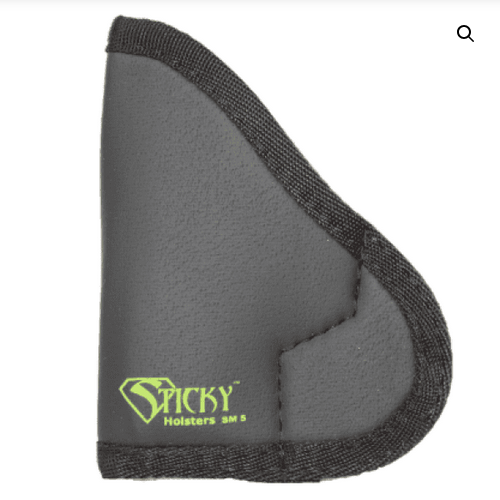
Properly orient the firearm. Covers the trigger completely. Breaks up the gun outline. This does not just mean leaving a pistol in your pocket. You’re asking for printing problems, at best — and safety ramifications, at worst — without an actual holster.
Best Use Case: Subcompact or micro-compact handguns. Quick errands in low-profile environments. Situations where belt carry is not practical. Limitations:
Draw speed slower than waistband carry
Limited to smaller firearms
- Pocket selection is critical (tight or shallow pockets can spoil a setup). If you’re going this path, use your draw from standing, seated, and inside of a vehicle. Pocket carrying lives or dies on accessibility.
Belly Band Holsters:
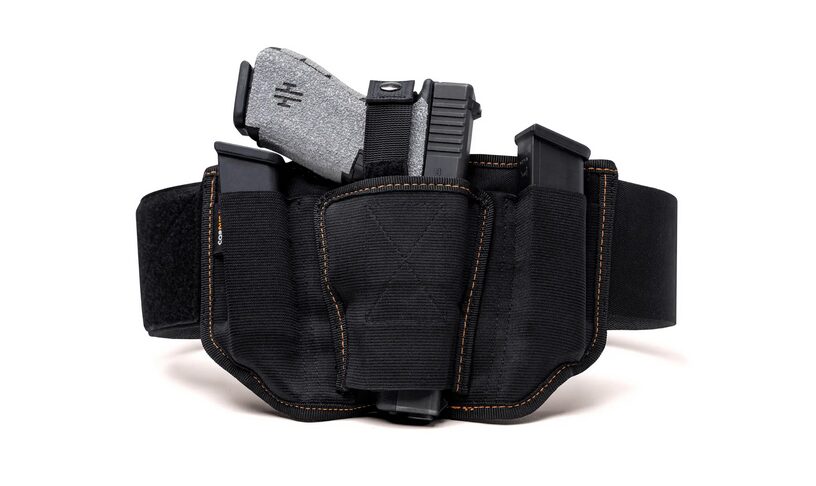
For Versatility in Minimal Clothes. And belly bands — they’ve come a long way. This is the best summer hold thing that used to be an alternative and quickly become one of the versatile summer carry options. They lock around your torso and keep you going, enabling you to carry, with no belt to carry, suitable for workout shorts, runners, joggers, or even on the go.
Why they Work in the Summer
No belt required. Flexible positioning (appendix, strong side, even cross-draw)
Can easily hide under light shirts.
Things to Watch:
Heat retention (you’re placing a lining at your core). Sweat management — source breathable, moisture-wicking fabrics. Quality of retention (not all belly bands are created equal). For those who linger long and hard in casual or athleticwear, a well-crafted belly band can make the difference in wearing it consistently or not at all.
Inside-the-Waistband (IWB):
Still a King—with Decisions. IWB carry doesn’t disappear away in summer — it simply takes smarter execution. You’ll want to focus on: Slim holster profiles. Claw or wing attachments to reduce printing. Even with light clothing, belt selection — proper belt selection.
AIWB (Appendix carry) performs better during the summer, thanks to the benefit of better concealment under a shirt, but it also requires attention to comfort (especially for extended periods of sitting in front of the panel). Pro Tip: Moisture is your enemy. Sweat guards on holsters, corrosion-resistant finishes on your firearm — those are increasingly important. Off-Body Carry: A conditional benefit. Be safe — off-body carry (bags, packs, etc.) Should NEVER be your first choice. But in some summer situations —such as beach trips, hiking or wearing ultra-light clothing — it could be an option. If you go this route:
Use a designated concealed carry bag with holster compartment. Always have the bag under control. Train for access (most individuals don’t achieve access like this). Off-body carry increases its risk, so it requires extra discipline.
Vehicle Storage in Summer Heat.
Leaving a gun in your vehicle in a summer isn’t ideal—but sometimes it’s unavoidable. When you do, you must look beyond “hiding it.”.
Key Considerations:
- Heat Impact. Inside the vehicles, there is room to reach over 140°F extremely easily. Modern firearms are built to endure harsh conditions, but sustained exposure can:
Degrade ammunition over time. Affect lubricants. Stress polymer components (rare but possible in some special cases). Secure Storage. A glove box isn’t security — it’s convenience.
Use a vehicle gun safe:
Bolted down or secured by steel cable. Out of sight. Quick-access if needed.
Legal Awareness. Vehicle storage is governed by state laws.
Other Carry Choice Considerations!
Ankle Carry. Works well for backup guns. A bit less desirable in shorts — but can be done with the right setup. Perfect for seated environments (driving, office work).
Deep Concealment Holsters. Made top-drawer for maximum discretion. Accesses it more slowly, but almost invisible. Great for use where there is a high risk of exposure.
Shoulder Holsters (Light Clothes Only). Less common in summer but effective with lightweight overshirts. More niche but still operable in dedicated configurations.
Final Thoughts:
Adapt, Don’t Compromise. Summer carry is not about fixing the “perfect” situation — it is about finding what gets you through it in the real world. Rotate your setups. Test them. Stress them. Train with them. The goal isn’t just to carry — it’s to carry consistently, safely and effectively, regardless of the season. Because the danger doesn’t take the summer off — and neither should your readiness.